Family
Best Kids' Money Learning Kits: Banks and Games (2026)
The habits your kids form with their first allowance stick for life. These are the piggy banks, money jars, and learning kits that teach saving, spending, and sharing the fun way.
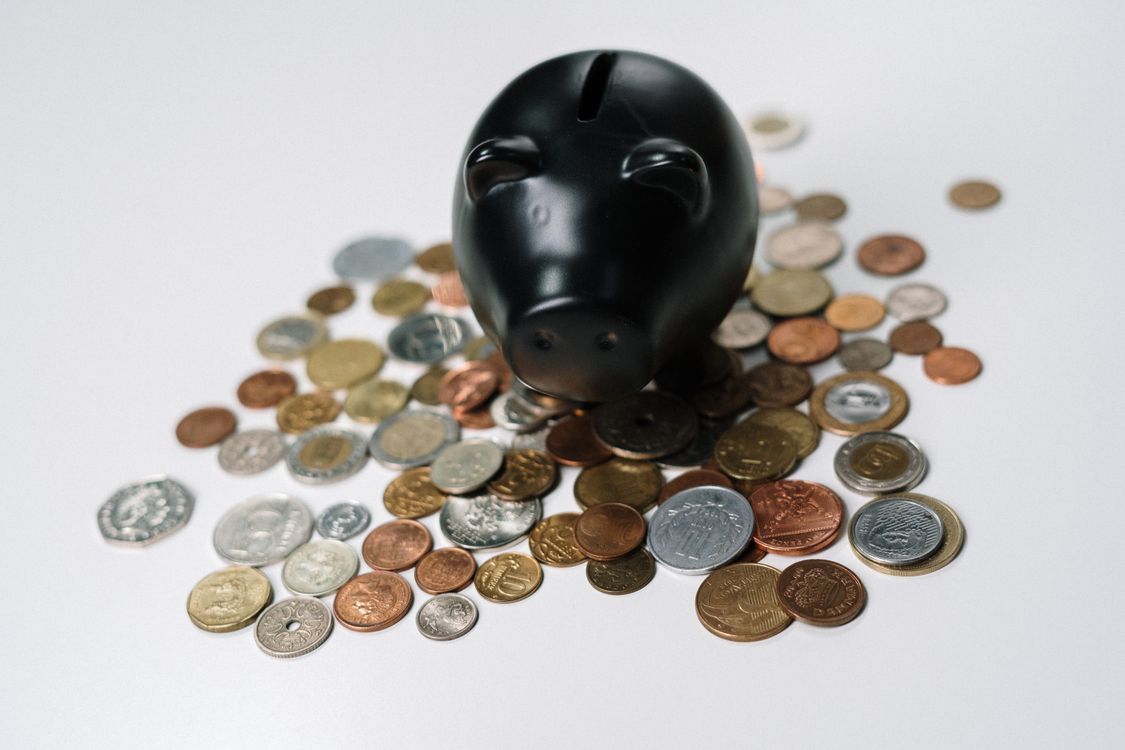
Ask a room of adults where they learned about money and most will shrug — school rarely taught it, and their parents rarely talked about it. The result is a generation that learned budgeting the hard way, through overdraft fees and credit card interest. But the research is consistent: kids who handle real money early, even in tiny amounts, grow into adults who budget without drama.
The trick is making money tangible. An allowance that lands in a bank app is invisible to a seven-year-old; the same five dollars dropped into a clear jar they can watch fill is a lesson in delayed gratification. That is why the humble piggy bank, upgraded with modern twists like save-spend-share compartments and digital coin counters, remains one of the best financial education tools you can buy.
This guide rounds up the five best kids' money learning kits on Amazon for 2026 — from the award-winning three-compartment classic to a coin jar that does the math for them. Each one teaches a real money skill (saving, splitting, counting, goal-setting), and each one is built to survive actual children.
What makes a kids' money kit actually educational
First, look for the split. The single most valuable lesson a money toy can teach is that income has jobs: some for saving, some for spending, some for giving. Banks with labeled save-spend-share compartments turn every allowance day into a budgeting exercise. A child who physically divides five dollars into three sections understands allocation better than most adults who were never taught it.
Second, make it visible. Clear or transparent designs beat opaque ceramic pigs because children need to see progress. Watching coins pile up is the feedback loop that makes saving addictive; an opaque bank is a black box where money disappears and motivation dies. This is why the see-through jars on this list consistently outperform traditional piggy banks in reviews from parents.
Third, match the kit to the age. Under six, keep it simple: one fun bank, one concept (money goes in, money stays in). Ages six to ten are the golden window for save-spend-share systems and counting games. Tweens can handle digital counters and goal tracking. And skip anything with tiny removable parts for toddlers — several of these kits are rated for ages 3+ specifically because they avoid choking hazards.
Finally, use the kit as a conversation starter, not a substitute for one. The best money kit in the world cannot replace the five-minute chat about why we are saving for the new bike instead of buying candy. Let your child decide the splits, let them make small mistakes with the spend jar, and resist topping up the save jar yourself — the lesson is in the doing.
Affiliate disclosure
As an Amazon Associate I earn from qualifying purchases. The product links in this guide are affiliate links — they cost you nothing extra and help keep MoneyWise free. Read our full advertising disclosure.
Our top picks for 2026
1. MoonJar Classic Save Spend Share Educational Moneybox
Best for: Teaching the save-spend-share system the classic way
The MoonJar is the gold standard of kids' money education — an award-winning set of three diamond-shaped tin canisters labeled Save, Spend, and Share, held together by an acrylic band and sold with a paper passbook for recording deposits. It has been used in homes and classrooms around the world for years.
The design is thoughtful for small hands: unbreakable tin, color-coded lids with slots wide enough for coins and folded bills, and canisters that separate so kids can count, move funds between categories, or carry just the spend tin to the store. The included passbook adds a journaling element — children write down each deposit, which builds the record-keeping habit early.
Reviewers praise it as a genuine teaching tool rather than a toy, and teachers report it works beautifully in classroom economies. If you want one kit that teaches the complete framework — not just saving, but budgeting and generosity — start here.
What reviewers consistently like:
- Three labeled compartments teach budgeting, not just saving
- Award-winning design used in schools worldwide
- Unbreakable tin with a deposit passbook for record-keeping
Possible downsides:
- Tin canisters are smaller than they look in photos
- Premium price compared with single-compartment banks
2. Discovery Kids Digital Coin-Counting Money Jar With LCD Screen
Best for: Making math fun while the savings grow
This is the piggy bank for kids who love gadgets: drop a coin through the slot and the LCD display instantly shows the running total. It recognizes all US circulated coins — pennies through dollar coins — and add/subtract buttons let kids account for withdrawals too, so the displayed balance stays honest.
The educational payoff is sneaky. Children learn coin values, addition, and subtraction without a worksheet in sight, because every deposit is a math problem they want to solve. The transparent jar shows the physical pile growing while the screen shows the number — two feedback loops reinforcing the same habit.
Parents in reviews consistently mention it as a bestseller-level gift that actually gets used rather than shelved. It runs on batteries, the twist-off lid makes retrieval easy when it is time to deposit at a real bank, and a paperclip reset keeps things accurate. For the six-to-ten sweet spot, it is hard to beat.
What reviewers consistently like:
- Automatic coin counting teaches coin values and arithmetic
- Dual feedback: visible coins plus a running digital total
- Recognizes all US coins; add/subtract buttons track withdrawals
Possible downsides:
- Batteries required (not always included)
- Counts coins only — bills need manual adding
3. Mczxon Wooden Spend Save Give Piggy Bank for Kids (Blue)
Best for: Clear-view motivation in a keepsake-quality design
Mczxon combines the save-spend-give system with a design parents actually want on a shelf: a wooden frame with clear acrylic panels, so children can watch all three compartments fill. The 1.78-inch slots accept coins and folded bills, and both the top wooden panel and the side acrylic open for counting or moving funds.
The clear construction is the educational feature. Kids who can see their save section outgrowing their spend section internalize the trade-off without a lecture. Reviewers note it works as both a money lesson and a room decoration, which means it stays visible — and visible money tools get used.
It ships in cheerful colors (this listing is the blue) and is repeatedly recommended as a birthday or holiday gift for ages 3 and up. The wood-and-acrylic build feels substantial compared with plastic alternatives, and at this price it is an easy recommendation for grandparents shopping for something meaningful.
What reviewers consistently like:
- Clear panels let kids watch all three compartments grow
- Sturdy wood and acrylic build that doubles as decor
- Wide slots accept coins and folded bills
Possible downsides:
- Acrylic can scratch if handled roughly
- Compartments are fixed sizes — no adjustable splits
4. BCIULASL Cute Tent Piggy Bank With DIY Stickers (Green)
Best for: Younger kids who need saving to feel like play
For preschoolers and early elementary kids, the lesson has to start with delight — and a tent-shaped piggy bank they decorate themselves delivers it. This unbreakable plastic bank comes with DIY stickers, a hidden key lock that makes opening it feel like a treasure event, and a roomy 8.66-inch interior that holds coins, bills, and (inevitably) small toys.
The key lock is a clever touch: children love the ritual of unlocking their savings, and it teaches the equally important lesson that saved money stays saved until there is a reason to spend it. The soft silicone carry band makes it portable, so the bank can travel to grandma's house and back.
Reviewers buy it as a first bank for birthdays and holidays, and the large capacity means it stays relevant for years. It will not teach allocation the way the three-compartment kits do, but for a first introduction to the concept of saving, fun beats pedagogy.
What reviewers consistently like:
- DIY stickers and key lock make saving feel like play
- Unbreakable plastic in a fun tent shape
- Large capacity that grows with the child
Possible downsides:
- Single compartment — no save/spend/share teaching
- The key is small; keep a spare plan for lost keys
5. Wooden Piggy Bank for Kids, Personalized Name Engraving (Pink)
Best for: A personalized gift that becomes a keepsake
Sometimes the best money kit is the one a child feels ownership of, and nothing creates ownership like their own name on it. This wooden piggy bank offers laser-engraved personalization on the front (with optional back engraving), in a cute pig shape with a transparent acrylic panel for watching savings grow.
The natural wood construction is non-toxic and durable, sized at 9.5 by 9 inches — substantial enough to feel like real furniture on a dresser, not a toy that gets tossed in a bin. The unscrew access keeps savings secure while remaining easy for parents to open when it is time for a bank deposit run.
Reviewers consistently buy it for baby showers, first birthdays, and christenings, and many note it survives as a keepsake long after the saving habit moves to a real account. As a pure teaching tool it is simpler than the compartment kits, but as a gift that starts the money conversation, personalization wins.
What reviewers consistently like:
- Personalized name engraving creates real ownership
- Natural wood, non-toxic, keepsake quality
- Transparent panel keeps savings visible
Possible downsides:
- Personalization adds cost and shipping time
- Single compartment — pair with a save/spend/share talk
Our verdict
For the complete money lesson, the MoonJar's save-spend-share system remains unmatched — it teaches budgeting, not just hoarding. If your child is motivated by numbers and gadgets, the Discovery Kids counting jar will get more daily use than any other bank on this shelf. And for the littlest savers, start with the fun tent bank; the habit comes first, the allocation lessons can follow. Whatever you choose, pair it with the three-jar conversation on allowance day — the kit is the tool, you are the teacher.
Frequently asked questions
As soon as they can count — around ages 3 to 5 for the basics of saving. The save-spend-share concept clicks around ages 6 to 8, when children start receiving allowance or gift money. It is never too early to start; it is only too late if they reach adulthood without ever handling money on purpose.
There is no universal number, but a common rule is $1 per week per year of age — so a 7-year-old gets $7 a week. More important than the amount is the system: divide it into save, spend, and share from day one so the habit forms before the amounts get big.
For young children, visible growth beats interest rates — a clear jar filling up teaches more than 0.5% APY. For tweens with real balances, opening a youth savings account is a great next step: it introduces banking, statements, and the idea that money can grow on its own.
They teach different things. Traditional and compartment banks teach allocation and delayed gratification through physical handling. Digital counting jars add arithmetic and the running-total concept. Many parents use both: a save-spend-share bank for allowance day and a counting jar for loose change.
Let small raids happen — a $5 lesson at age 8 beats a $500 lesson at 18. But protect big goals: help them name the savings target (the bike, the game), keep the goal visible, and praise the saving behavior specifically. The kits with locks or separate compartments make the boundary physical, which helps.